2026 Commodity Market: 6-Month Agricultural & Industrial Outlook
Anúncios
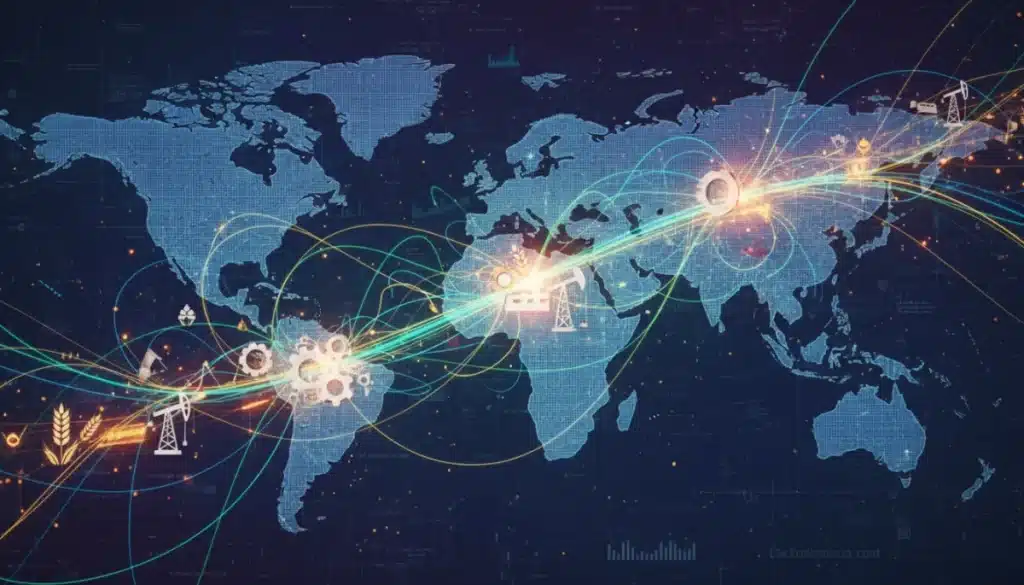
Understanding the 2026 commodity market involves analyzing complex interdependencies between global supply, demand, and geopolitical factors to predict future price movements.
Anúncios
Navigating the complex landscape of the 2026 commodity market requires a keen understanding of both historical patterns and emerging global trends. This outlook provides a comprehensive 6-month forecast on agricultural and industrial futures, offering valuable insights for investors, policymakers, and businesses alike. We delve into the critical factors shaping supply and demand, from climate change impacts to geopolitical shifts, helping you prepare for potential opportunities and challenges in the coming year.
Forecasting Agricultural Futures: Key Drivers and Volatility
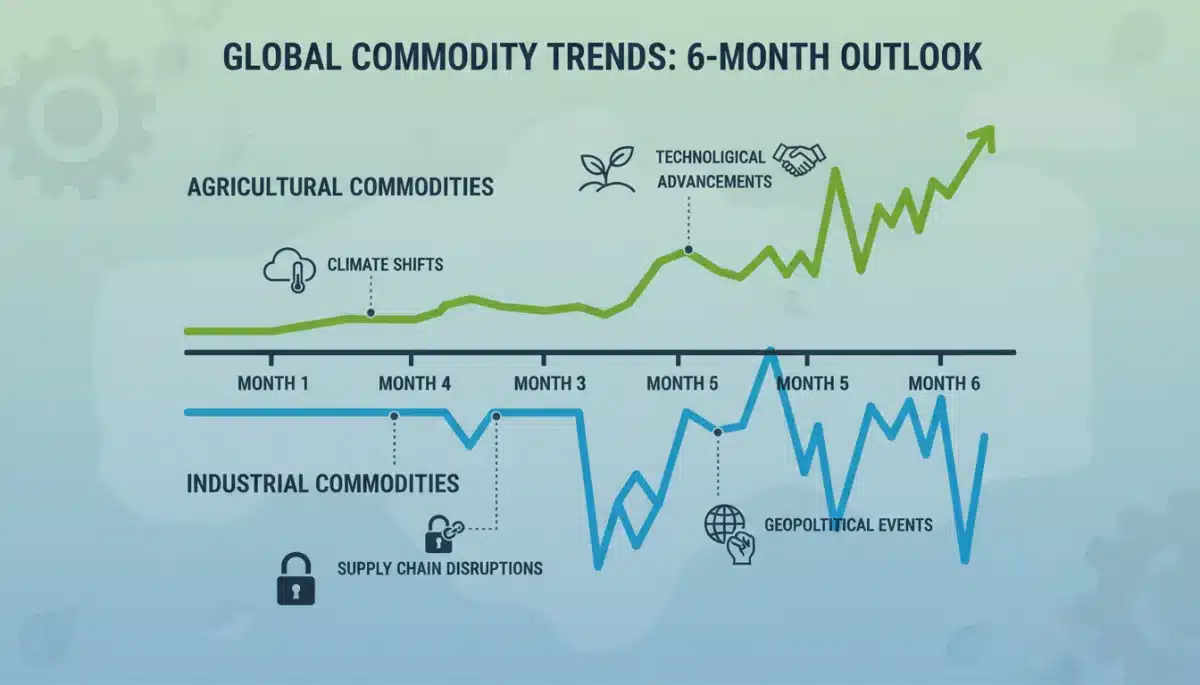
The agricultural sector in 2026 is expected to remain a significant area of focus, heavily influenced by weather patterns, technological advancements, and shifting consumer demands. Predicting future prices for staples like corn, wheat, and soybeans involves a delicate balance of these interconnected elements, often leading to periods of heightened volatility.
Global food security concerns continue to underpin demand, while supply remains vulnerable to regional climate events. Innovations in farming technology, such as precision agriculture and genetically modified crops, are also playing an increasing role in optimizing yields and mitigating risks.
Climate Change and Crop Yields
Climate change is arguably the most pervasive factor affecting agricultural futures. Extreme weather events, including droughts, floods, and unseasonable temperatures, directly impact crop yields and quality. These events can trigger significant price spikes and supply shortages, particularly in regions that are major global producers.
- Droughts: Reduced water availability in key agricultural belts, affecting staple crops.
- Floods: Damage to farmland and infrastructure, leading to crop loss and delayed planting.
- Temperature Extremes: Heatwaves and cold snaps stressing crops beyond their optimal growth conditions.
- Pest and Disease Migration: Warmer climates expanding the range of agricultural pests and diseases.
Geopolitical Tensions and Trade Policies
Beyond environmental factors, geopolitical tensions and evolving trade policies significantly influence agricultural commodity flows. Export restrictions, tariffs, and international agreements can distort market prices and create new supply chain dynamics. Major producing nations often leverage their agricultural output as a strategic asset, adding another layer of complexity to market forecasts.
Understanding these political currents is crucial, as they can rapidly alter the availability and cost of agricultural products on the global stage. Investors must monitor international relations closely to anticipate potential disruptions or opportunities arising from new trade blocs or diplomatic shifts.
In summary, the agricultural sector’s 6-month outlook for 2026 is characterized by a continued interplay of environmental challenges, technological advancements, and geopolitical maneuvering. These factors collectively create a dynamic and often unpredictable environment for agricultural futures.
Industrial Commodity Outlook: Energy, Metals, and Materials
The industrial commodity market in 2026 presents a multifaceted picture, with energy, base metals, and construction materials facing distinct but interconnected challenges and opportunities. Global economic growth, technological innovation, and sustainability initiatives are the primary forces shaping this sector’s trajectory.
Demand for industrial commodities is directly tied to manufacturing output, infrastructure development, and the transition to green energy. Any slowdown in global economic activity or significant shifts in policy can have a ripple effect across various industrial segments.
Energy Transition and Demand Shifts
The ongoing global energy transition is fundamentally reshaping demand for traditional fossil fuels while boosting the need for critical minerals essential to renewable energy technologies. Oil and gas prices will continue to be influenced by OPEC+ decisions, geopolitical stability in major producing regions, and the pace of electric vehicle adoption.
Anúncios
Meanwhile, the demand for battery metals like lithium, cobalt, and nickel is set to surge, driven by increasing production of EVs and energy storage solutions. This creates both investment opportunities and potential supply bottlenecks.
Supply Chain Resilience and Geopolitical Risks
Lessons learned from recent global disruptions have emphasized the importance of supply chain resilience for industrial commodities. Nations are increasingly focused on securing critical raw materials, leading to potential shifts in sourcing strategies and investment in domestic production capacities. Geopolitical tensions, particularly in regions rich in mineral resources, pose significant risks to supply continuity.
- Resource Nationalism: Governments asserting greater control over mineral extraction and exports.
- Trade Disputes: Tariffs and restrictions impacting the flow of critical industrial inputs.
- Logistical Challenges: Disruptions in shipping routes or port operations affecting delivery times and costs.
- Strategic Stockpiling: Nations building reserves of essential commodities for economic security.
The industrial commodity landscape for the next six months in 2026 will be defined by the delicate balance between robust demand from a growing global economy and the persistent challenges of supply chain vulnerabilities and the accelerating energy transition. Monitoring these dynamics is key for informed decision-making.
Technological Innovations Impacting Commodity Markets
Technological advancements are rapidly transforming how commodities are produced, processed, and traded, offering both efficiency gains and new market dynamics. From AI-driven analytics to sustainable production methods, technology is a powerful force in shaping the 2026 commodity market outlook.
These innovations can lead to more stable supply chains, optimized resource allocation, and a reduction in waste, ultimately influencing pricing and market accessibility across various sectors.
AI and Data Analytics in Forecasting
Artificial intelligence and advanced data analytics are revolutionizing commodity market forecasting. AI models can process vast amounts of data, including satellite imagery for crop health, real-time shipping data, and sentiment analysis from financial news, to predict price movements with greater accuracy. This enables traders and investors to make more informed decisions, potentially reducing market volatility.
The ability to identify subtle patterns and correlations that human analysts might miss provides a significant edge in a highly competitive market. Predictive analytics are becoming indispensable tools for risk management and strategic planning.
Sustainable Production and Circular Economy
The push towards sustainability is driving innovation in commodity production. Technologies that enable a circular economy, such as advanced recycling techniques for metals and plastics, are gaining traction. This reduces reliance on virgin resources and can create new commodity streams. In agriculture, precision farming uses data to optimize irrigation, fertilization, and pest control, minimizing environmental impact while maximizing yields.
These sustainable practices not only address environmental concerns but also offer long-term cost savings and improved resource efficiency, which will increasingly influence the value proposition of certain commodities.
Ultimately, technology’s role in the 2026 commodity market is multifaceted, enhancing efficiency, improving forecasting capabilities, and driving the shift towards more sustainable and resilient supply chains. Embracing these innovations will be crucial for market participants.
Geopolitical Landscape and its Commodity Implications
The geopolitical landscape remains a critical determinant for the 2026 commodity market. International relations, regional conflicts, and policy shifts by major global powers can create significant disruptions or opportunities across agricultural and industrial sectors. Understanding these dynamics is essential for anticipating market movements.
The interconnectedness of the global economy means that events in one region can quickly cascade, affecting supply chains and pricing worldwide. Stability or instability directly impacts investor confidence and the flow of capital into commodity markets.
Impact of Regional Conflicts
Regional conflicts, even those seemingly localized, can have far-reaching effects on commodity markets. They can disrupt shipping lanes, damage infrastructure, and reduce production capacity for key resources like oil, gas, or grains. Such disruptions often lead to higher prices due to reduced supply and increased risk premiums.
Furthermore, sanctions imposed in response to conflicts can severely restrict trade flows, forcing countries to seek alternative suppliers and reroute supply chains, incurring additional costs and logistical challenges.
Trade Alliances and Resource Security
The formation and strengthening of trade alliances, as well as national efforts to ensure resource security, are significant geopolitical trends. Countries are increasingly prioritizing domestic production or diversification of supply sources for critical commodities to reduce vulnerability to external shocks. This can lead to new trade agreements, investment in strategic reserves, and even protectionist policies.
- Bilateral Agreements: Nations securing long-term supply contracts with specific partners.
- Diversification of Suppliers: Reducing dependence on a single source for essential commodities.
- Strategic Stockpiles: Governments accumulating reserves of critical raw materials.
- Investment in Domestic Extraction: Funding local mining or agricultural projects to boost self-sufficiency.
The geopolitical environment in 2026 is complex and dynamic. Investors and businesses must remain vigilant, adapting strategies to navigate the potential impacts of international relations on commodity supply and demand.
Investment Strategies for the 2026 Commodity Market
Developing robust investment strategies for the 2026 commodity market requires a nuanced approach, considering the inherent volatility and diverse factors at play. Whether you’re a seasoned investor or new to commodities, understanding various avenues and risk management techniques is paramount.
Diversification, hedging, and staying informed about market fundamentals are key pillars for successfully navigating the opportunities and challenges presented by agricultural and industrial futures.
Diversification and Risk Management
Diversifying across different commodity types (e.g., energy, metals, agriculture) can help mitigate risk. A downturn in one sector might be offset by gains in another. Furthermore, combining commodity investments with other asset classes, like equities or fixed income, can further enhance portfolio stability.
Risk management also involves understanding the leverage associated with futures contracts and setting clear stop-loss orders to limit potential losses. Never invest more than you can afford to lose, especially in volatile markets.
Utilizing Futures Contracts and ETFs
Futures contracts are a direct way to gain exposure to commodity prices, allowing investors to speculate on future price movements. They are, however, complex instruments requiring a deep understanding of margin requirements and expiration dates. For those seeking simpler access, Commodity Exchange Traded Funds (ETFs) offer a diversified and often more liquid alternative.
ETFs can track individual commodities, baskets of commodities, or specific commodity indices, providing a convenient way to invest without direct involvement in futures trading. Always research the underlying assets and expense ratios of any ETF before investing.
In summary, successful investment in the 2026 commodity market hinges on a well-thought-out strategy that includes diversification, prudent risk management, and selecting appropriate investment vehicles like futures contracts or ETFs. Continuous learning and adaptability are also crucial.
Regulatory Changes and Market Transparency
Regulatory frameworks play a crucial role in shaping the integrity and functionality of the 2026 commodity market. Changes in regulations, driven by concerns over market manipulation, environmental impact, or investor protection, can significantly affect trading practices and market transparency. Staying abreast of these developments is vital for all market participants.
Increased transparency and stricter oversight often aim to foster fairer markets, but they can also introduce new compliance costs and operational complexities for businesses and traders.
Global Regulatory Trends
Globally, there’s a growing trend towards harmonizing commodity market regulations to prevent arbitrage and ensure consistent oversight across jurisdictions. Regulators are particularly focused on areas like high-frequency trading, data reporting, and the prevention of market abuse. The rise of digital assets and tokenized commodities is also prompting new regulatory considerations.
These global efforts seek to create a more level playing field and enhance investor confidence by reducing systemic risks and promoting ethical conduct throughout the commodity ecosystem.
Impact on Market Participants
New regulations can have a direct impact on various market participants. For large trading firms, this might mean investing in new compliance systems and personnel. For producers, it could involve new reporting requirements related to environmental, social, and governance (ESG) factors. Small investors might see changes in access to certain derivatives or increased protection against fraudulent schemes.
- Compliance Costs: Businesses needing to invest in new systems and training to meet regulatory demands.
- Reporting Requirements: Increased obligations for data submission to regulatory bodies.
- Market Access: Potential changes in who can trade certain instruments and under what conditions.
- ESG Integration: Greater emphasis on environmental and social impact in commodity sourcing and trading.
Understanding and adapting to regulatory changes is a continuous process for anyone involved in the 2026 commodity market. These frameworks are essential for maintaining market stability and trust, even as they introduce new challenges.
| Key Market Aspect | Brief Outlook for 2026 |
|---|---|
| Agricultural Futures | Volatility expected due to climate, tech, and geopolitical factors affecting crop yields and trade. |
| Industrial Commodities | Growth tied to global economy, energy transition, and supply chain resilience. |
| Technological Impact | AI and sustainable practices enhancing efficiency and forecasting accuracy. |
| Geopolitical Risks | Conflicts and trade policies to cause supply disruptions and price fluctuations. |
Frequently Asked Questions About the 2026 Commodity Market
The main drivers include global weather patterns affecting crop yields, technological advancements in farming, and geopolitical stability influencing trade routes and export policies. Shifting consumer demands and biofuel policies also play a significant role.
The energy transition will boost demand for critical minerals like lithium, cobalt, and nickel, essential for batteries and renewable energy infrastructure. Conversely, demand for traditional fossil fuels may see continued pressure, depending on the pace of global decarbonization efforts and technological breakthroughs.
Technology, particularly AI and advanced data analytics, significantly enhances forecasting accuracy by processing vast datasets from satellite imagery to market sentiment. This allows for more precise predictions of supply, demand, and price movements, aiding strategic decision-making and risk management.
Diversification across different commodity types and asset classes is crucial. Utilizing futures contracts for direct exposure or Commodity ETFs for broader, more liquid access can be effective. Prudent risk management, including setting stop-loss orders, is also highly recommended to navigate volatility.
Geopolitical events, such as regional conflicts or trade disputes, can disrupt shipping routes, impose sanctions, and alter trade alliances. These disruptions lead to supply shortages, increased transportation costs, and price volatility, forcing companies to re-evaluate and diversify their supply chain strategies.
Conclusion
The 2026 commodity market promises a landscape of both significant challenges and compelling opportunities across agricultural and industrial sectors. The interplay of climate change, technological innovation, and an ever-evolving geopolitical environment will continue to define market dynamics. Strategic investors and businesses must remain agile, leveraging advanced analytics and diversified approaches to navigate volatility and capitalize on emerging trends. A deep understanding of these foundational elements, coupled with a commitment to sustainable practices and regulatory compliance, will be paramount for success in the coming six months and beyond.
