2026 Small Business Loan Programs: Federal Funding at 3%

Anúncios
Small businesses in 2026 can access federal funding through specific loan programs offering attractive 3% interest rates, facilitating significant growth and operational stability.
Anúncios
Are you a small business owner looking to expand your operations, invest in new technology, or simply stabilize your cash flow? The landscape of financial opportunities for entrepreneurs is evolving rapidly, and understanding the new initiatives is key. In 2026, the federal government is rolling out significant programs designed to bolster small businesses, offering attractive terms. Specifically, the 2026 Small Business Loan Programs: Accessing Federal Funding with 3% Interest Rates for Growth presents a pivotal opportunity for enterprises across the United States.
Understanding the 2026 Federal Loan Landscape
The year 2026 marks a significant shift in federal support for small businesses, with an emphasis on accessible and affordable capital. These new programs are structured to address the diverse needs of entrepreneurs, from startups seeking initial capital to established businesses aiming for significant expansion. The core objective is to stimulate economic growth by empowering the backbone of the American economy: its small businesses.
Navigating federal funding can often feel complex, but the 2026 initiatives are designed for clarity and efficiency. The government has streamlined application processes and broadened eligibility criteria to ensure a wider reach. This proactive approach reflects a commitment to fostering innovation, creating jobs, and ensuring long-term economic resilience. Understanding the nuances of these programs is the first step towards unlocking their potential.
Key changes in federal lending policies
Several critical policy adjustments have been implemented to make these loans more appealing and impactful. One of the most notable changes is the standardized 3% interest rate, a significant reduction compared to previous years. This lower rate directly translates into reduced borrowing costs, making it easier for businesses to manage debt and reinvest profits. Furthermore, there’s an increased focus on specific sectors deemed vital for national economic priorities, such as green technology, rural development, and digital infrastructure.
- Reduced Interest Rates: A flat 3% interest rate across many core federal loan programs.
- Streamlined Applications: Simplified online portals and reduced paperwork requirements.
- Expanded Eligibility: Broader criteria to include a more diverse range of small businesses.
- Targeted Sectors: Prioritized funding for businesses in strategic growth areas.
These policy shifts are not merely administrative; they represent a strategic federal investment in the future of small business. By lowering barriers to entry and reducing financial burdens, the government aims to unleash entrepreneurial potential, fostering a more dynamic and competitive marketplace. Business owners should familiarize themselves with these updates to position themselves advantageously.
The overarching goal of the 2026 federal loan landscape is to create an environment where small businesses can thrive without being hampered by prohibitive financing costs or bureaucratic hurdles. This forward-thinking approach is expected to have a ripple effect, stimulating local economies and driving national prosperity. Businesses that strategically leverage these new opportunities will be well-positioned for sustainable growth in the coming years.
Eligibility Criteria for 3% Interest Rate Loans
Accessing the favorable 3% interest rate loans under the 2026 programs requires meeting specific eligibility criteria. While designed to be more inclusive, these requirements ensure that funds are directed to businesses that are most likely to succeed and contribute to economic growth. Generally, businesses must be officially registered, operate within the United States, and meet the Small Business Administration’s (SBA) definition of a small business, which is primarily based on annual revenue and number of employees, varying by industry.
Beyond these foundational requirements, specific programs may have additional stipulations. For instance, some loans might prioritize businesses with a certain number of years in operation, a proven track record of profitability, or those operating in designated underserved communities. It’s crucial for applicants to thoroughly review the specific program guidelines to ensure full compliance before submitting an application.
Standard requirements for federal small business loans
The standard requirements are fairly consistent across most federal small business loan programs. These typically include a solid business plan outlining financial projections, market analysis, and management team experience. Lenders will also assess the applicant’s personal credit history and the business’s financial health, including existing debt and cash flow. While a 3% interest rate is highly attractive, lenders still need to ensure the business is a viable investment.
- Business Registration: Must be a legally registered entity in the U.S.
- SBA Size Standards: Must meet the SBA’s definition of a small business for its industry.
- Creditworthiness: Good personal and business credit history.
- Feasible Business Plan: A comprehensive plan demonstrating viability and growth potential.
- Collateral (sometimes): Depending on the loan type and amount, collateral may be required.
Understanding these standard requirements is paramount. Businesses that proactively prepare their financial statements, refine their business plans, and ensure a strong credit profile will significantly enhance their chances of approval. It’s not just about meeting the minimums, but about presenting a compelling case for investment.
Anúncios
Furthermore, some programs might offer special considerations for veteran-owned businesses, women-owned businesses, or those located in historically disadvantaged areas. These provisions are designed to promote equitable access to capital and foster entrepreneurship across diverse demographics. Applicants should explore all potential categories they might fall into to maximize their chances.
In conclusion, while the 3% interest rate is a major draw, eligibility is multi-faceted. Thorough preparation and a clear understanding of both general and specific program requirements are essential for any small business looking to secure federal funding in 2026. Taking the time to gather all necessary documentation and strengthen your business’s financial standing will pay dividends in the application process.
Application Process for Federal Funding
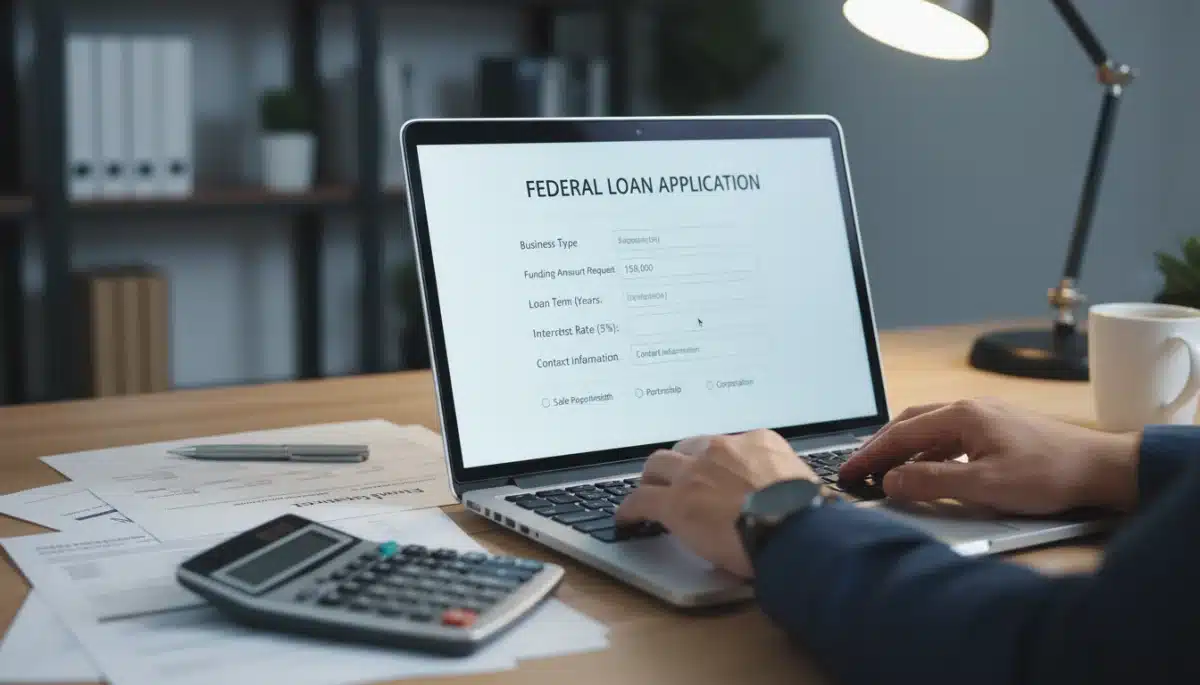
The application process for the 2026 federal funding programs, particularly those offering 3% interest rates, has been streamlined to be more user-friendly than in previous years. However, it still requires meticulous attention to detail and thorough preparation. Typically, the process begins with identifying the most suitable loan program for your business needs, as various federal agencies and SBA-backed lenders offer different types of loans.
Once a program is selected, the next step involves gathering all required documentation. This often includes financial statements, tax returns, business licenses, and a detailed business plan. Many applications are now primarily submitted online through secure federal portals or directly with approved lenders, making the process more efficient and accessible from anywhere in the United States.
Steps to successfully apply for a federal loan
A successful application hinges on a well-organized and complete submission. Starting early and understanding each step can prevent common pitfalls and delays. It is advisable to consult with a financial advisor or an SBA resource partner who can provide guidance and review your application before submission. This expert review can catch errors or omissions that might otherwise lead to rejection.
- Research Programs: Identify the specific federal loan program that best aligns with your business goals.
- Prepare Documentation: Compile all necessary financial records, legal documents, and a comprehensive business plan.
- Choose a Lender: Select an SBA-approved lender or apply directly through a federal agency portal.
- Submit Application: Complete the application accurately and submit it along with all supporting documents.
- Follow-Up: Maintain communication with the lender or agency to address any requests for additional information promptly.
The emphasis on digital submission means that applicants must ensure the accuracy and legibility of all uploaded documents. Digital signatures and secure verification processes are standard. Furthermore, maintaining a clear line of communication with the loan officer or program administrator is vital for addressing any questions or clarifying information during the review period.
After submission, there will be a review period where the lender or agency assesses your business’s eligibility and financial health. This can involve credit checks, financial analysis, and sometimes interviews. Being prepared to explain your business model, growth projections, and how the loan will be utilized effectively can significantly strengthen your application.
In essence, while the 2026 application process is designed for greater ease, success still demands diligence. Thorough preparation, attention to detail, and proactive engagement with the lending institution are key factors that will determine whether your small business successfully secures federal funding at the attractive 3% interest rate.
Maximizing Growth with 3% Federal Loans
The availability of federal loans at a 3% interest rate in 2026 presents an unprecedented opportunity for small businesses to achieve significant growth and stability. This low cost of capital allows businesses to invest in areas that might have been previously unattainable due to higher borrowing expenses. Strategic utilization of these funds can lead to enhanced operational efficiency, market expansion, and increased profitability.
For many businesses, this means the ability to upgrade technology, purchase new equipment, expand facilities, or hire additional staff without the burden of excessive debt servicing. The reduced interest payments free up cash flow, which can then be reinvested into core business activities or used to build a stronger financial reserve. This financial flexibility is a powerful tool for sustainable development.
Strategic uses of low-interest federal funding
To truly maximize the impact of these 3% federal loans, businesses should develop a clear strategy for how the funds will be deployed. This involves more than just covering immediate expenses; it’s about making investments that yield long-term returns. For example, investing in automation can reduce labor costs and increase output, while expanding into new markets can diversify revenue streams and reduce reliance on a single customer base.
- Capital Expenditures: Acquire new machinery, technology, or property to enhance production or service delivery.
- Market Expansion: Fund entry into new geographical markets or develop new product lines.
- Working Capital: Optimize cash flow for daily operations, inventory management, or seasonal fluctuations.
- Research and Development: Invest in innovation to stay competitive and develop future offerings.
- Debt Refinancing: Consolidate existing high-interest debts to improve overall financial health.
Beyond direct investment, the psychological impact of securing low-cost funding is also significant. It provides a sense of security and confidence, allowing business owners to focus on strategic planning and innovation rather than constantly worrying about financial constraints. This can foster a more dynamic and forward-thinking organizational culture.
Furthermore, businesses can use these loans to build a stronger credit profile, which can open doors to even more favorable financing options in the future. By consistently making timely payments on a low-interest federal loan, businesses demonstrate financial responsibility and reliability, enhancing their standing with lenders.
In essence, the 3% federal loans are more than just financial instruments; they are catalysts for transformation. By carefully planning how these funds will be used, small businesses can not only mitigate immediate financial challenges but also lay a robust foundation for enduring success and substantial growth in 2026 and beyond.
Common Pitfalls and How to Avoid Them
While the 2026 Small Business Loan Programs with 3% interest rates offer incredible opportunities, navigating the process without encountering pitfalls is crucial for success. Many applicants, despite having viable businesses, face rejection due to common mistakes in preparation or understanding of the loan requirements. Awareness of these issues is the first step towards avoiding them and ensuring a smooth application journey.
One of the most frequent errors is an incomplete or inaccurate application. Federal loan programs require precise data, and any discrepancies can lead to delays or outright denial. Another common pitfall is underestimating the importance of a well-articulated business plan. Lenders need to see a clear vision, realistic financial projections, and a solid strategy for repayment.
Strategies for a successful loan application
Avoiding these pitfalls involves a proactive and meticulous approach. Start by thoroughly reading all guidelines and requirements for the specific loan program you are targeting. If anything is unclear, seek clarification from the lending institution or an SBA resource center. Do not assume; verify every detail.
- Thorough Documentation: Double-check that all required documents are included and accurately reflect your business’s financial and operational status.
- Strong Business Plan: Present a clear, concise, and compelling business plan with realistic projections and a well-defined repayment strategy.
- Credit Health: Address any issues with personal or business credit scores before applying. A strong credit history is vital.
- Realistic Expectations: Understand that even with a strong application, approval is not guaranteed. Be prepared for potential rejections and learn from them.
- Professional Guidance: Consider consulting with a financial advisor or SBA representative to review your application before submission.
Another critical strategy is to ensure your financial records are meticulously organized and up-to-date. This includes profit and loss statements, balance sheets, and cash flow projections. Lenders will scrutinize these documents to assess your business’s financial health and its ability to service the debt.
Furthermore, be transparent about any past financial challenges. While a perfect financial history is ideal, honesty about past issues, coupled with a clear explanation of how they have been addressed, can be more beneficial than attempting to conceal them. This demonstrates integrity and a commitment to responsible financial management.
In conclusion, while the allure of 3% federal loans is strong, success hinges on careful preparation and strategic execution. By understanding and actively avoiding common pitfalls, small businesses can significantly increase their chances of securing the funding needed for growth and stability in 2026.
Future Outlook and Long-Term Impact
The introduction of the 2026 Small Business Loan Programs with attractive 3% interest rates signals a significant long-term commitment by the federal government to foster a robust and resilient small business sector. The future outlook suggests continued support and potential expansion of these initiatives, particularly as the economic landscape evolves and new challenges or opportunities emerge. This sustained focus on affordable capital is anticipated to have profound and lasting impacts on the American economy.
One of the most immediate long-term impacts is the potential for increased business formation and expansion. With easier access to capital, more entrepreneurs may be inclined to start new ventures, and existing businesses will have the resources to scale up operations, leading to job creation and innovation. This creates a virtuous cycle where economic growth is self-reinforcing.
Anticipated economic benefits and sustainability
The economic benefits of these programs extend far beyond individual businesses. A thriving small business sector contributes to a more diversified and stable national economy, reducing reliance on a few large corporations. It also fosters local economic development, as small businesses often reinvest profits and create jobs within their communities. The sustainability of these programs relies on careful monitoring and adaptive policies.
- Job Creation: Increased funding enables businesses to hire more employees, reducing unemployment rates.
- Economic Diversification: Supports a broader range of industries and business models, enhancing economic resilience.
- Innovation Growth: Provides capital for research and development, fostering technological advancements.
- Community Development: Strengthens local economies through increased commerce and local investment.
- Long-term Stability: Helps businesses weather economic downturns by providing a stable financial foundation.
Moreover, the emphasis on lower interest rates is likely to encourage responsible borrowing and investment. Businesses will be less burdened by high debt payments, allowing them to allocate more resources to growth-oriented activities, such as employee training, marketing, and product development. This strategic allocation of capital is essential for long-term competitiveness.
The long-term impact also includes the potential for increased global competitiveness. As American small businesses become more robust and innovative, they are better positioned to compete on an international stage, exporting goods and services and attracting foreign investment. This enhances the nation’s overall economic standing.
In conclusion, the 2026 federal loan programs are not just a short-term fix but a strategic investment in the future of the American economy. Their sustained success will depend on continued government oversight, adaptability to market changes, and the diligent efforts of small business owners to leverage these resources wisely for sustainable growth and long-term prosperity.
| Key Point | Brief Description |
|---|---|
| 3% Interest Rate | Core feature of 2026 federal loans, significantly reducing borrowing costs for small businesses. |
| Expanded Eligibility | Broader criteria in 2026 to include a more diverse range of small businesses for funding. |
| Streamlined Application | Simplified online processes and reduced paperwork to facilitate easier access to federal funds. |
| Growth Maximization | Strategic use of low-interest funds for capital expenditures, market expansion, and R&D. |
Frequently Asked Questions About 2026 Small Business Loans
The main benefits include a competitive 3% interest rate, making capital more affordable, and streamlined application processes. These programs aim to stimulate economic growth by providing accessible funding for small businesses to expand, innovate, and create jobs across various sectors.
Eligibility typically requires businesses to be legally registered in the U.S., meet SBA size standards, and demonstrate good creditworthiness. Some programs may also prioritize businesses in specific sectors or those owned by veterans or women, expanding access to diverse entrepreneurs.
Businesses can apply by researching suitable programs, preparing comprehensive documentation including a strong business plan, and submitting applications through SBA-approved lenders or federal agency portals. Consulting with a financial advisor is recommended to ensure a complete and accurate submission.
Strategic uses include investing in capital expenditures like new equipment or technology, expanding into new markets, optimizing working capital, funding research and development, and refinancing existing high-interest debts. The goal is to maximize long-term returns and enhance operational efficiency.
Common pitfalls include submitting incomplete or inaccurate applications, lacking a clear business plan, or having poor credit health. To avoid these, applicants should meticulously prepare all documents, seek professional guidance, and maintain transparent communication with lenders throughout the process.
Conclusion
The 2026 Small Business Loan Programs, offering access to federal funding with highly competitive 3% interest rates, represent a landmark opportunity for entrepreneurs across the United States. These initiatives are strategically designed not just to provide capital, but to foster sustainable growth, innovation, and economic resilience. By understanding the eligibility criteria, meticulously navigating the application process, and strategically deploying these low-cost funds, small businesses can position themselves for unparalleled success in the coming years. This federal commitment to supporting the small business sector is a powerful testament to its vital role in driving national prosperity and creating a vibrant, dynamic economy.
