Major Cybersecurity Breach: 5 Million U.S. Citizens Affected – Immediate Protection Steps
Anúncios
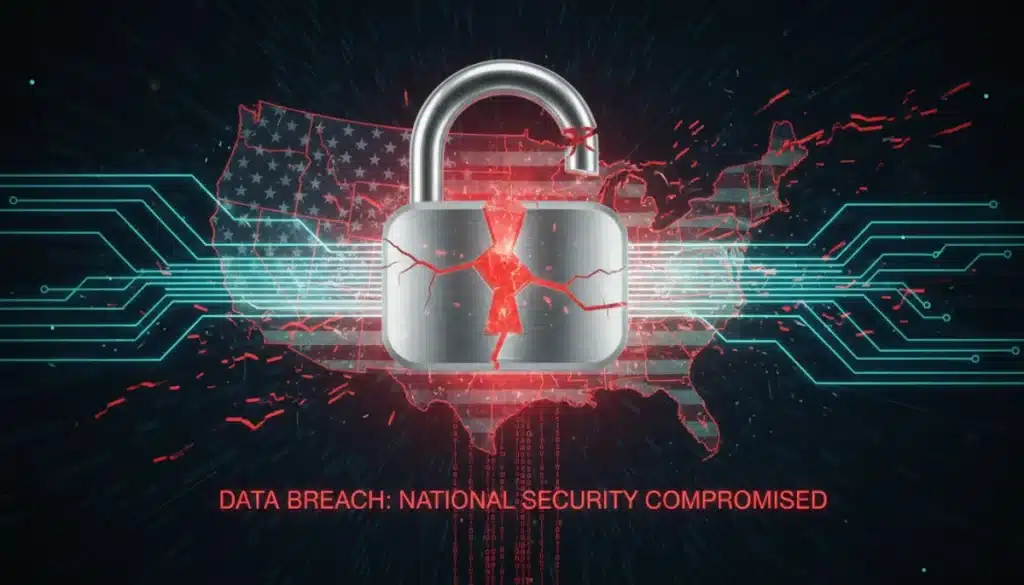
A significant cybersecurity breach has compromised the data of 5 million U.S. citizens, necessitating immediate and practical steps for personal data protection to mitigate risks.
Anúncios
In an alarming development, a major cybersecurity breach affects 5 million U.S. citizens – immediate steps for protection (practical solutions) are now critically important. This incident underscores the urgent need for every individual to understand the risks and implement robust security measures to safeguard their digital identity.
Understanding the Scope of the Breach
The recent cybersecurity incident represents a significant threat to the digital security of millions of Americans. This section delves into the specifics of what happened, who is affected, and the potential ramifications for individuals whose data may have been compromised. Understanding the nature of the breach is the first step towards effective mitigation.
Preliminary reports indicate that sensitive personal information, including names, addresses, Social Security numbers, and financial account details, may have been exposed. The breach appears to have originated from a large-scale attack on a prominent data management service, which processes information for various sectors across the U.S. The sheer volume of affected individuals highlights the interconnectedness of our digital lives and the cascading effects of a single point of failure.
Who is most vulnerable?
- Individuals with online accounts linked to the compromised service.
- Those who reuse passwords across multiple platforms.
- Anyone who has not enabled multi-factor authentication.
The impact extends beyond immediate financial loss, encompassing potential identity theft, fraudulent loan applications, and long-term credit damage. Authorities are working diligently to assess the full extent of the damage and identify the perpetrators, but individual action is paramount.
In conclusion, the scope of this breach is vast and demands immediate attention from all potentially affected citizens. Being informed about the details of the attack is crucial for taking appropriate protective measures.
Immediate Actions to Secure Your Digital Footprint
When news of a major data breach breaks, panic can set in, but swift and decisive action is your best defense. This section outlines the immediate, practical steps every affected U.S. citizen should take to secure their digital footprint and minimize potential harm. Proactive measures are key to protecting your personal information.
The first and most critical step is to change passwords for all online accounts that might be linked to the compromised service. Do not reuse old passwords, and make sure new ones are strong and unique. Consider using a reputable password manager to help generate and store complex passwords securely. This simple action can prevent attackers from gaining access to other accounts through credential stuffing.
Essential security steps:
- Change Passwords: Update all passwords, prioritizing financial and email accounts.
- Enable Multi-Factor Authentication (MFA): Activate MFA wherever possible for an extra layer of security.
- Monitor Financial Statements: Regularly check bank and credit card statements for suspicious activity.
- Review Credit Reports: Obtain free credit reports from the three major bureaus and scrutinize them for unauthorized accounts.
Beyond immediate password changes, it’s vital to remain vigilant. Fraudsters often exploit data breaches by launching phishing campaigns, attempting to trick victims into revealing more information. Be suspicious of unsolicited emails, texts, or calls asking for personal data, even if they appear to be from legitimate organizations. Always verify the source independently.
Taking these immediate actions can significantly reduce your vulnerability following a data breach. The goal is to create as many barriers as possible for cybercriminals attempting to exploit your compromised data.
Protecting Your Identity from Theft and Fraud
A cybersecurity breach often paves the way for identity theft and various forms of fraud. Protecting your identity requires a multi-faceted approach, combining vigilance with specific security tools and services. This section focuses on practical solutions to shield your identity from malicious actors.
One of the most effective long-term strategies is to freeze your credit with the three major credit bureaus: Experian, Equifax, and TransUnion. A credit freeze prevents new credit accounts from being opened in your name, making it much harder for identity thieves to commit financial fraud. While it might slightly inconvenience you when applying for new credit, the peace of mind it offers is invaluable.
Anúncios
Furthermore, consider enrolling in an identity theft protection service. Many of these services offer continuous monitoring of your credit, dark web activity, and public records, alerting you to any suspicious changes. While not foolproof, they provide an additional layer of security and can help with recovery if your identity is compromised.
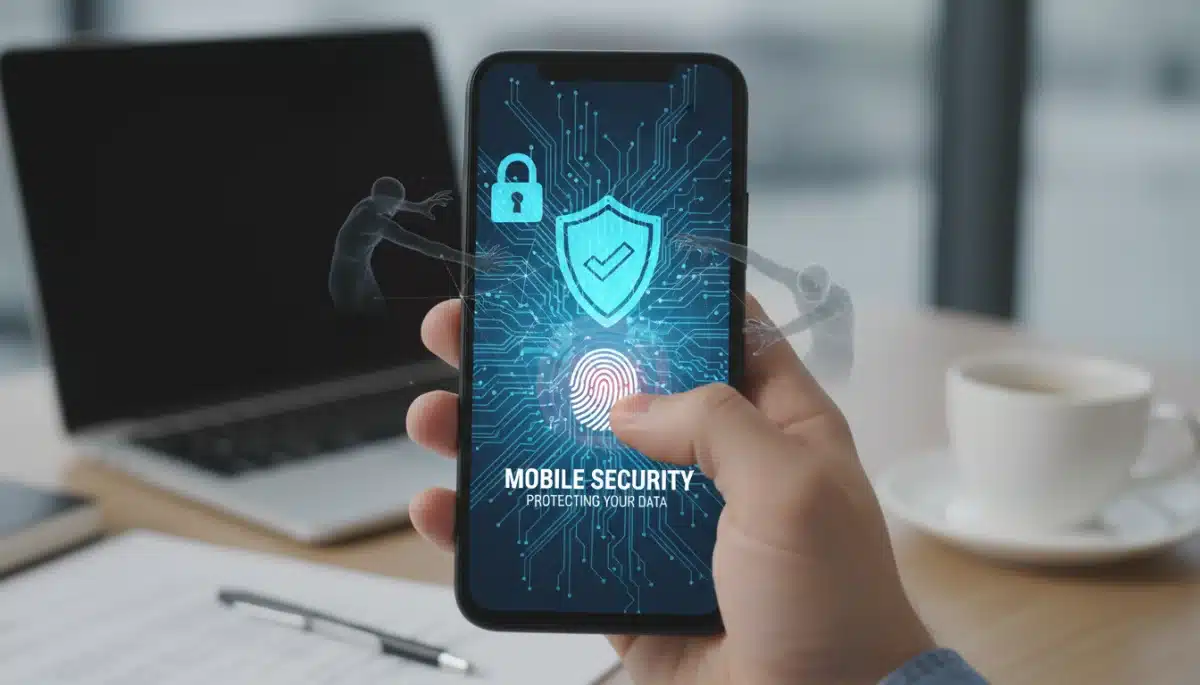
Be cautious about sharing personal information online, even on seemingly secure platforms. Review privacy settings on social media and other accounts, limiting the data accessible to the public. The less information available about you, the harder it is for criminals to piece together a complete profile for identity theft.
In summary, proactively protecting your identity involves credit freezes, identity theft monitoring, and a careful approach to sharing personal data online. These measures are crucial in the aftermath of a major data breach.
Leveraging Multi-Factor Authentication (MFA) Effectively
Multi-Factor Authentication (MFA) is one of the most powerful tools available to enhance your online security, especially after a data breach. This section explores why MFA is indispensable and how to implement it effectively across all your digital accounts. It adds a crucial layer of defense beyond just a password.
MFA requires users to provide two or more verification factors to gain access to an account, typically something you know (like a password) and something you have (like a phone or a physical token). Even if a cybercriminal obtains your password from a breach, they cannot access your account without the second factor, significantly reducing the risk of unauthorized access.
Types of MFA to consider:
- SMS Codes: Codes sent to your phone (convenient but less secure).
- Authenticator Apps: Apps like Google Authenticator or Authy generate time-based codes (more secure).
- Physical Security Keys: USB devices that provide hardware-based authentication (most secure).
When setting up MFA, prioritize accounts that contain sensitive information, such as email, banking, social media, and any services linked to financial transactions. While it might add a few extra seconds to your login process, the enhanced security is well worth the minor inconvenience. Many platforms now offer MFA as a standard security option, making it easier than ever to enable.
It’s also important to understand that not all MFA methods are equally secure. While SMS-based MFA is better than no MFA, it can be vulnerable to SIM-swapping attacks. Authenticator apps and physical security keys offer stronger protection. Choose the most robust option available for your critical accounts.
In conclusion, effectively leveraging MFA across your digital landscape is a non-negotiable step in safeguarding your accounts, particularly in the wake of a widespread cybersecurity breach. It serves as a formidable barrier against unauthorized access.
Monitoring Your Credit and Financial Accounts
Following a major cybersecurity breach, relentless monitoring of your credit and financial accounts becomes an absolute necessity. This section details how to effectively keep an eye on your financial health, detect suspicious activities promptly, and react decisively to protect your assets. Vigilance is your primary defense against financial fraud.
Start by regularly checking all your bank and credit card statements. Look for any transactions you don’t recognize, even small ones, as fraudsters often test accounts with minor purchases before attempting larger ones. Many banks offer real-time alerts for transactions, which can be an invaluable tool for immediate detection. Set up these notifications for all your accounts.
Beyond daily banking, it’s crucial to obtain your free annual credit reports from Experian, Equifax, and TransUnion. You are entitled to one free report from each bureau every 12 months via annualcreditreport.com. Stagger these requests throughout the year (e.g., one every four months) to maintain continuous oversight of your credit file. Scrutinize these reports for any unfamiliar accounts, inquiries, or incorrect personal information.
If you discover any unauthorized activity, report it immediately to your bank or credit card company. They can often reverse fraudulent charges and issue new cards. For more serious identity theft, file a report with the Federal Trade Commission (FTC) and your local police department. These reports are crucial for disputing fraudulent charges and recovering your identity.
Maintaining diligent oversight of your financial accounts and credit reports is paramount after a data breach. Early detection of fraudulent activity can prevent significant financial losses and long-term complications.
Long-Term Strategies for Digital Security and Privacy
While immediate actions are crucial after a breach, establishing long-term strategies for digital security and privacy is essential for sustained protection. This section outlines enduring practices and habits that U.S. citizens should adopt to build a resilient defense against future cyber threats. A proactive approach is always better than a reactive one.
Regularly update your software, including operating systems, web browsers, and all applications. Software updates often include security patches that fix vulnerabilities exploited by cybercriminals. Enabling automatic updates ensures you always have the latest protections in place. Outdated software is a common entry point for malware and other attacks.
Furthermore, cultivate good digital hygiene habits. Be wary of clicking on suspicious links or downloading attachments from unknown sources. Phishing attempts are becoming increasingly sophisticated, making it harder to distinguish legitimate communications from fraudulent ones. Always verify the sender and the content of an email before taking any action.
Key long-term practices:
- Regular Software Updates: Keep all operating systems and applications current.
- Data Backup: Regularly back up important data to secure, offline storage.
- Privacy Settings Review: Periodically review and adjust privacy settings on all online accounts.
- Secure Wi-Fi Usage: Use strong passwords for home Wi-Fi and avoid public Wi-Fi for sensitive transactions.
Consider using a Virtual Private Network (VPN), especially when connecting to public Wi-Fi networks. A VPN encrypts your internet connection, protecting your data from eavesdropping and enhancing your online privacy. While not a silver bullet, it adds a significant layer of security to your browsing activities.
In conclusion, long-term digital security is an ongoing commitment, not a one-time fix. By adopting robust software update routines, practicing cautious online behavior, and utilizing privacy-enhancing tools, individuals can significantly strengthen their defense against evolving cyber threats.
| Key Protection Step | Brief Description |
|---|---|
| Password Updates | Change all affected passwords immediately to strong, unique combinations. |
| Enable MFA | Activate Multi-Factor Authentication on all critical accounts for added security. |
| Credit Freeze | Freeze your credit with major bureaus to prevent new accounts from being opened. |
| Monitor Accounts | Continuously check bank statements and credit reports for suspicious activity. |
Frequently Asked Questions About Data Breaches
Immediately change passwords for all affected accounts, especially email and banking. Enable multi-factor authentication wherever possible. Monitor your financial accounts and credit reports closely for any unusual activity. Contact the organization that experienced the breach for specific guidance.
If the breached organization confirms your SSN was exposed, you should place a fraud alert or credit freeze with the three major credit bureaus. Also, monitor your credit reports for new accounts opened in your name and consider an identity theft protection service for ongoing vigilance.
Yes, using a reputable password manager is highly recommended. It helps you create and store unique, strong passwords for all your accounts, reducing the risk of credential stuffing if one password is ever compromised. Ensure your password manager itself has a very strong master password and MFA enabled.
A credit freeze restricts access to your credit report, preventing new credit accounts from being opened in your name. This is a powerful tool against identity theft, as fraudsters cannot apply for loans or credit cards using your compromised information. You can temporarily lift the freeze when you need to apply for credit.
It’s advisable to check your credit report frequently after a breach, ideally every few months. You are entitled to one free report from each of the three major bureaus annually. Staggering these requests can provide continuous oversight for a year, helping you spot any unauthorized activity quickly.
Conclusion
The recent cybersecurity breach affecting 5 million U.S. citizens serves as a stark reminder of the persistent threats in our digital world. While the news is unsettling, understanding the practical steps for protection and implementing them diligently can significantly mitigate the risks. From immediate password changes and activating multi-factor authentication to long-term vigilance in monitoring financial accounts and adopting robust digital hygiene, personal responsibility is paramount. By taking these proactive measures, individuals can fortify their defenses, safeguard their identities, and navigate the complexities of online security with greater confidence and resilience.
